This is some text inside of a div block.
No items found.
Dignity
In 2024, the Architecture Department of the Széchenyi Academy of Literature and Arts (SZIMA) issued a call for participation in an architectural exhibition titled Helyzetkép (Snapshot). The exhibition establishes a conceptual framework of key themes and connects them with works, concrete examples, and critical inquiries, aiming to provide a collective overview of the exciting and essential issues of our time. The exhibition was curated by architecture critic Krisztina Somogyi, designed by architect Balázs Biri, and featured graphic design by Lili Tóth. The event showcased the work of 100 exhibitors.
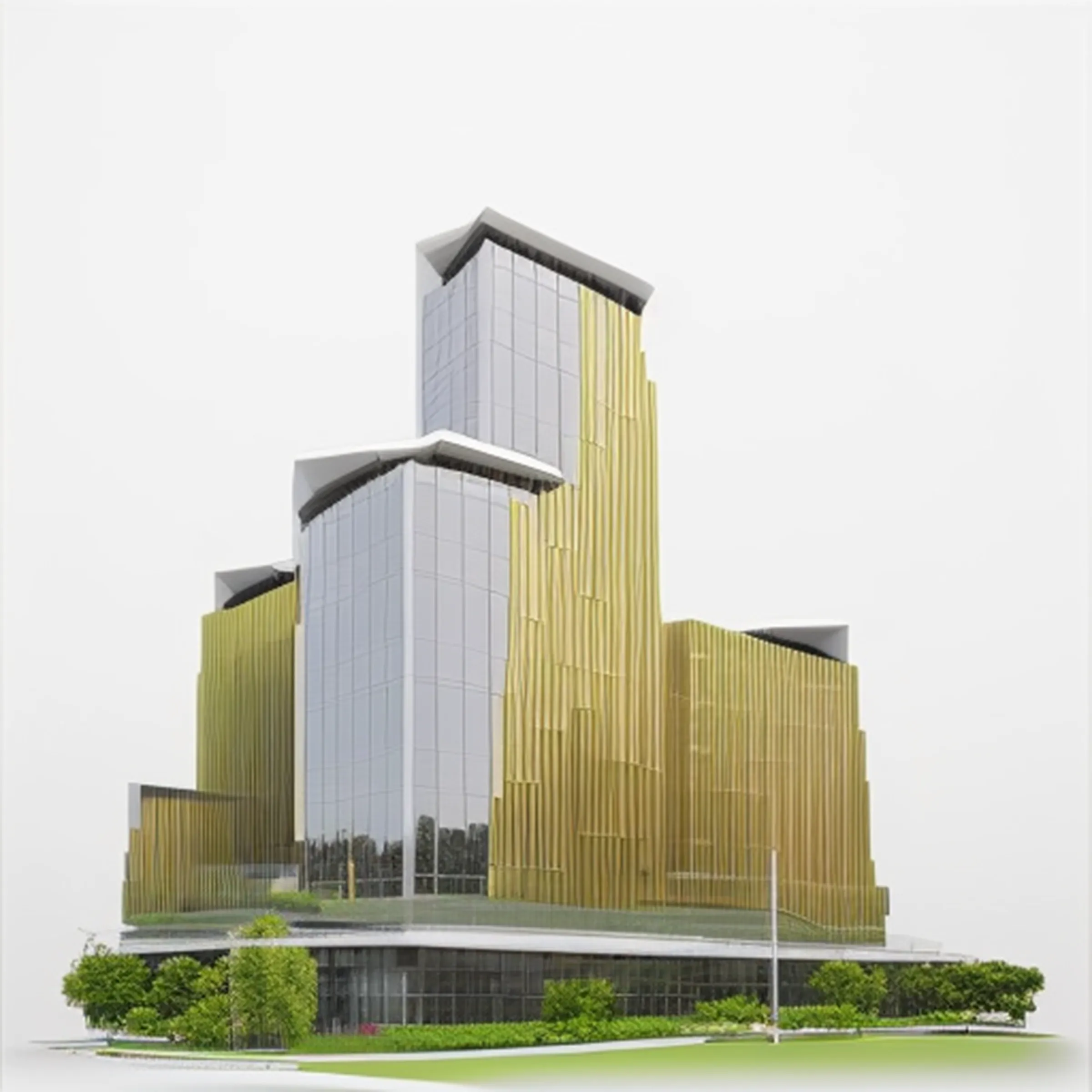
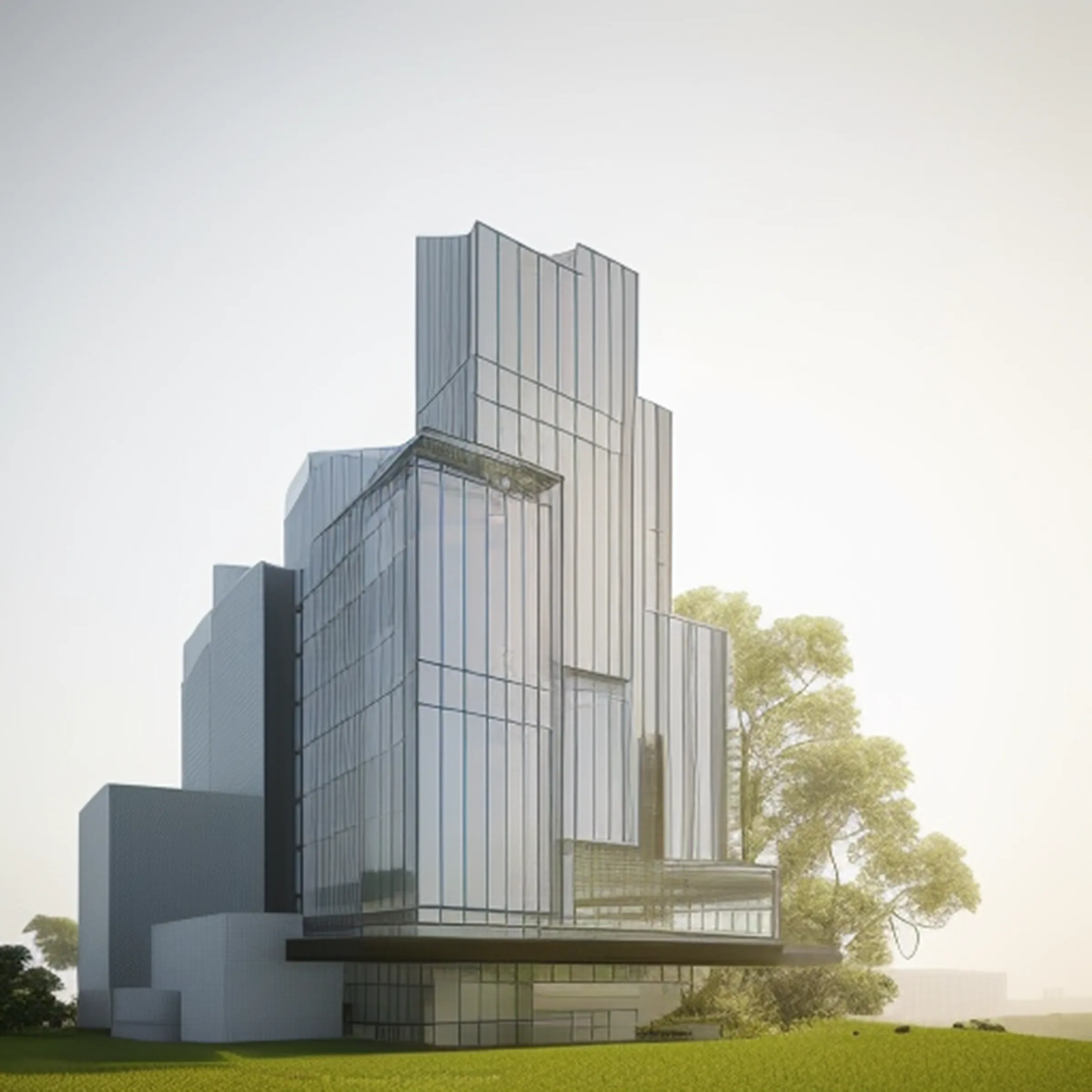
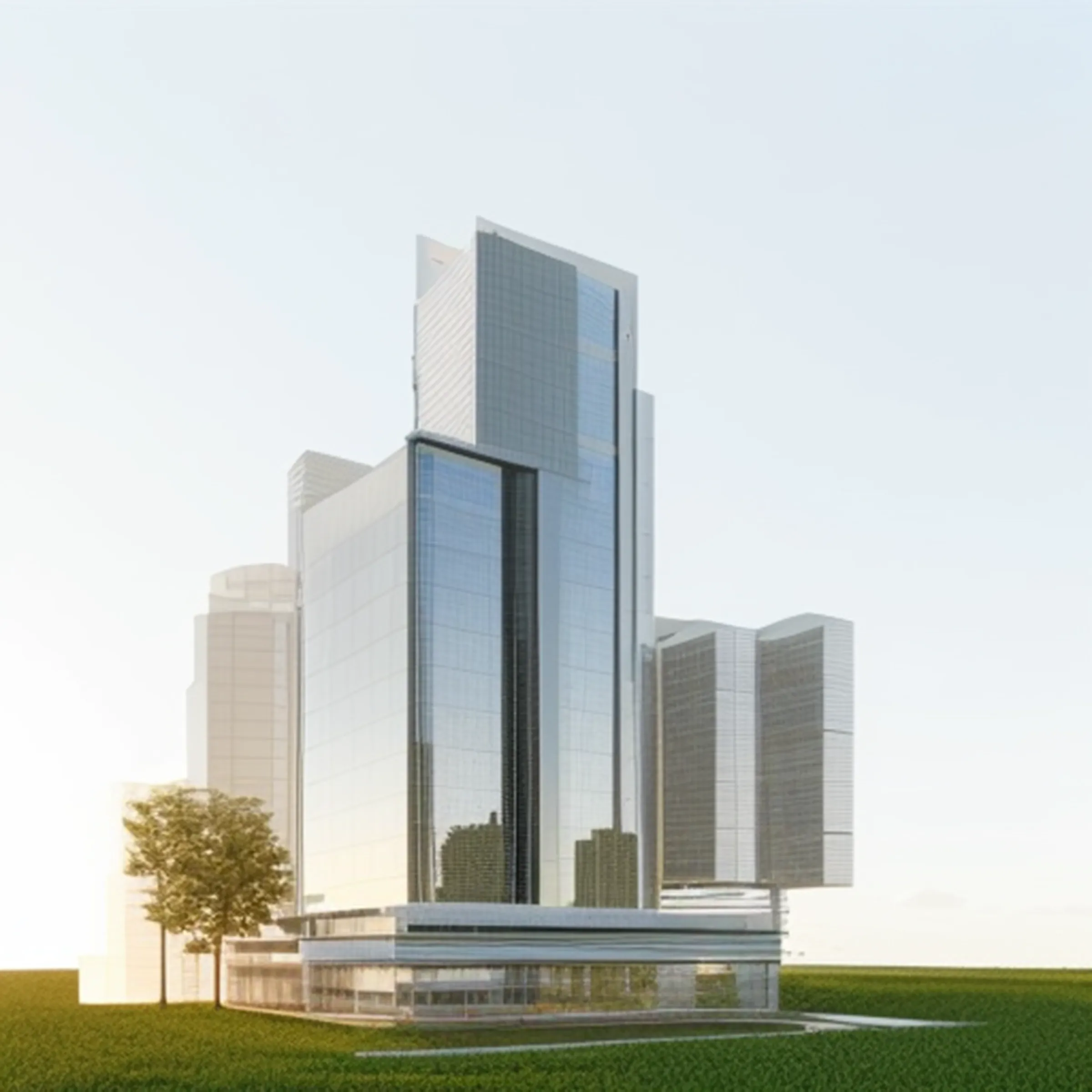
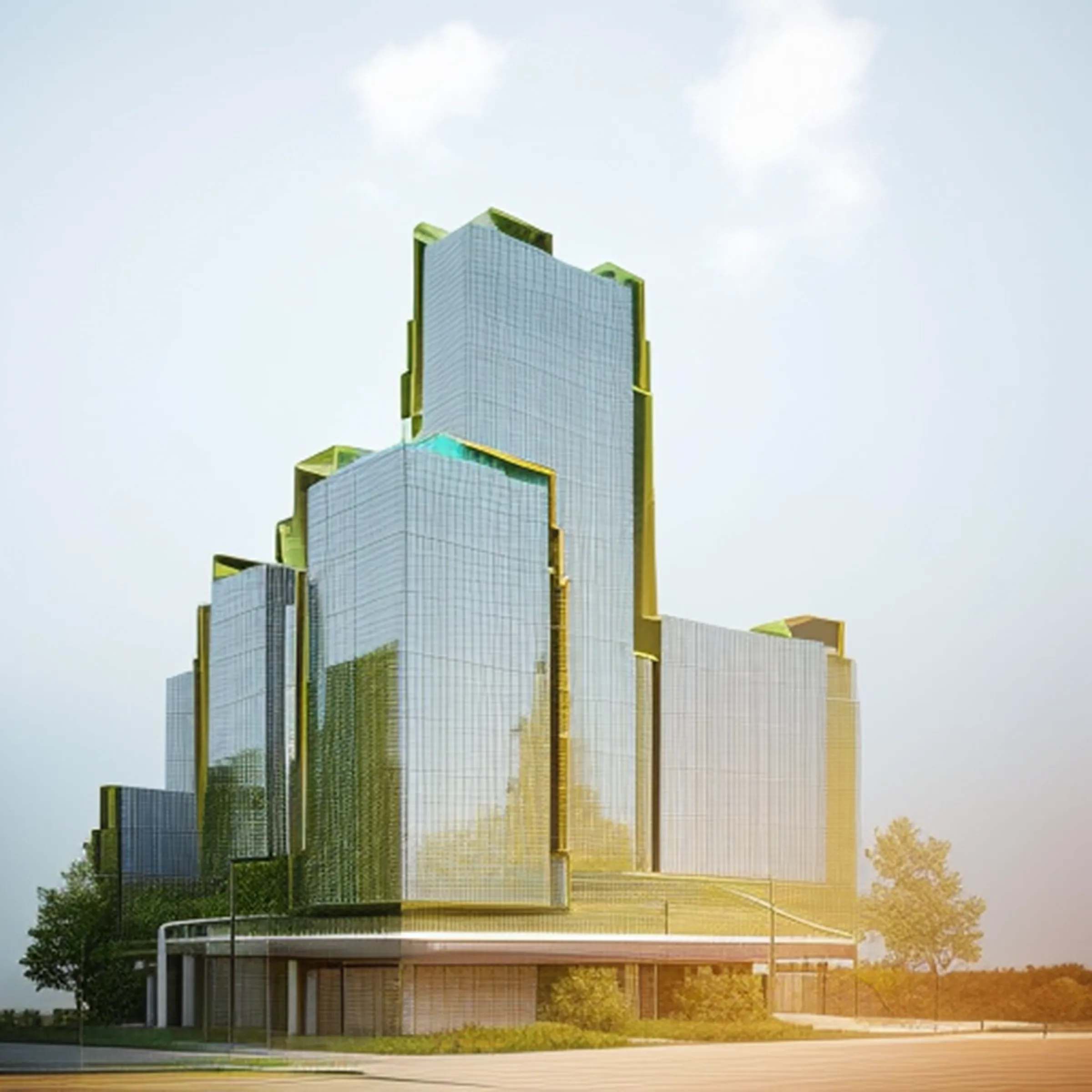
Prompt:
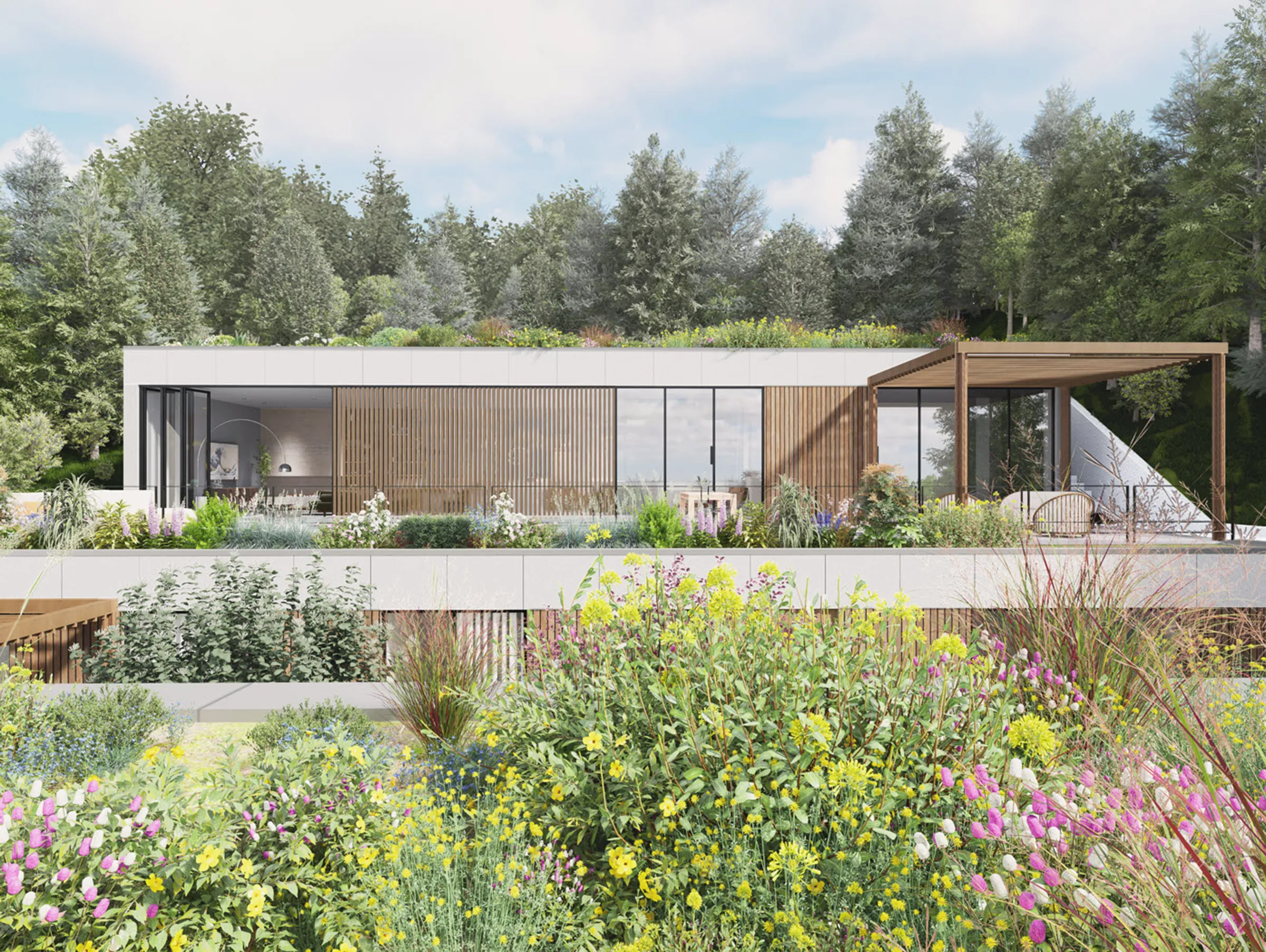
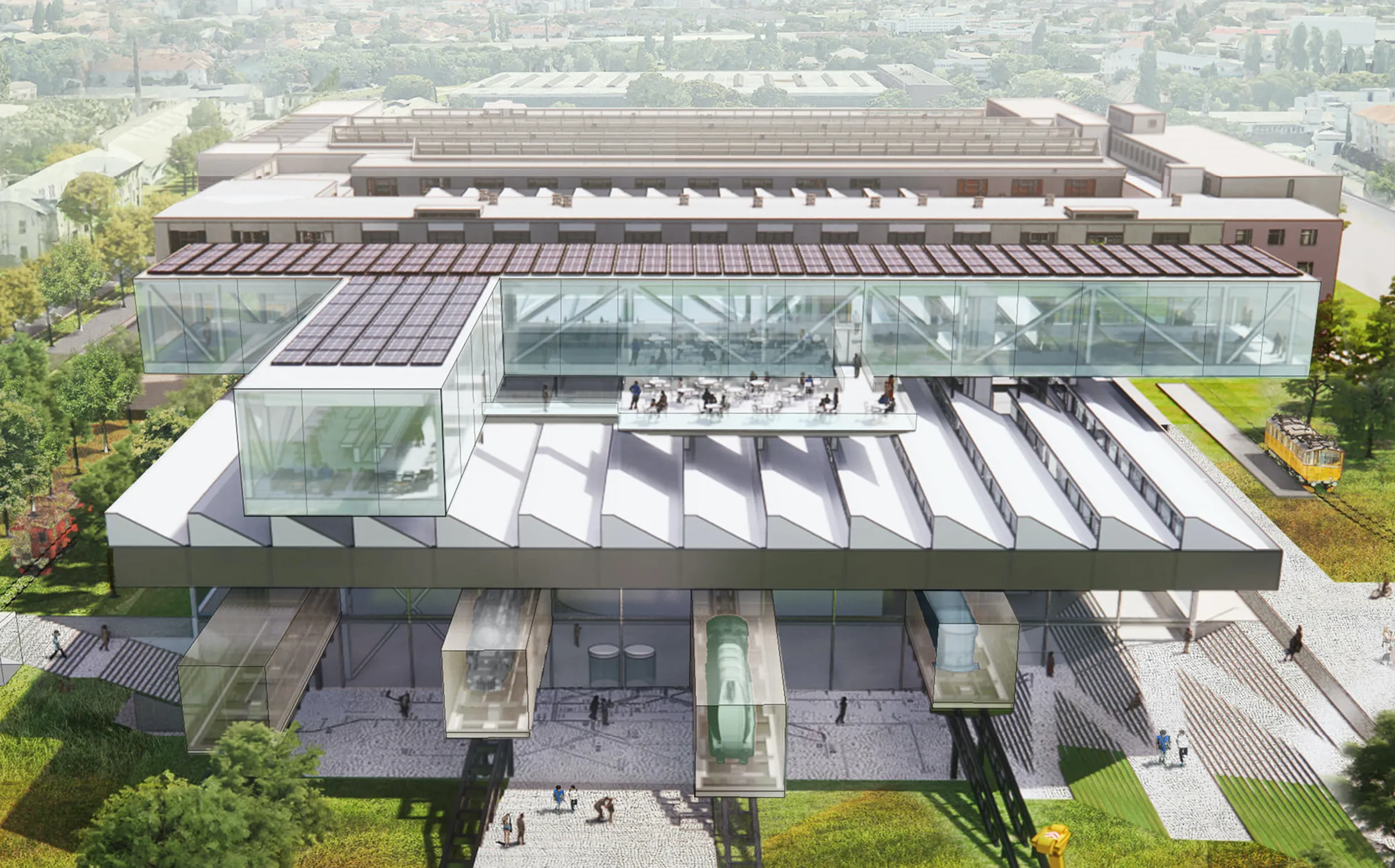
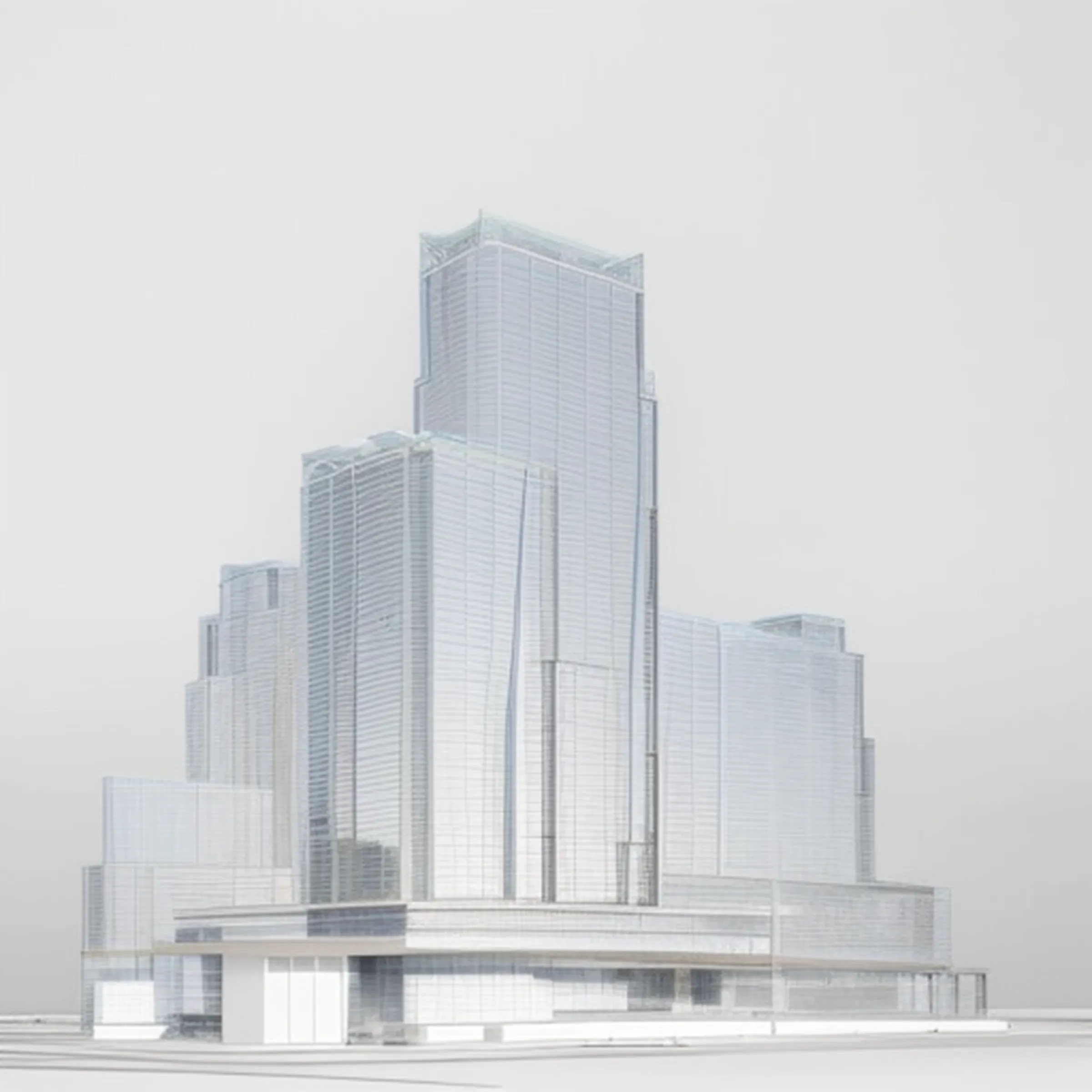
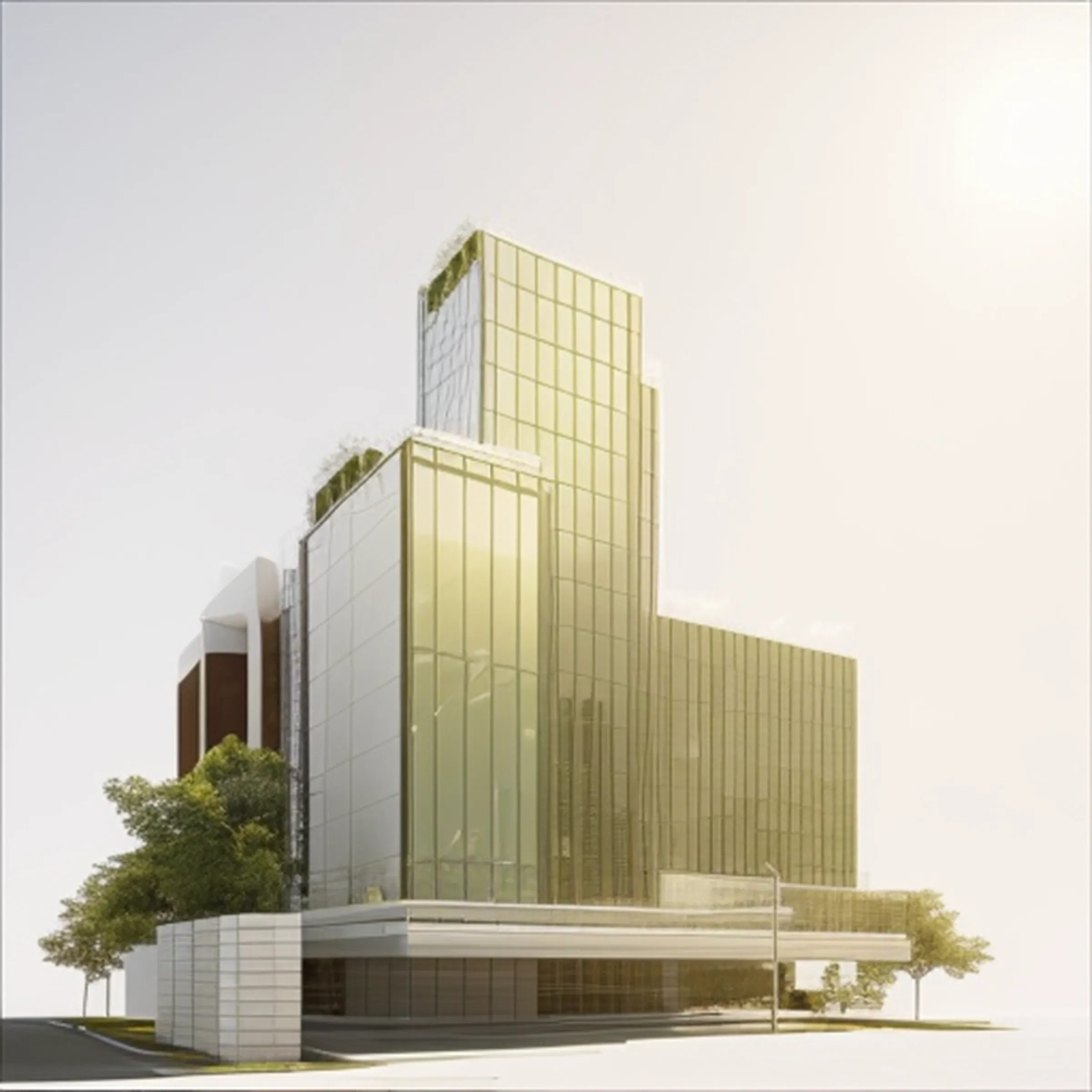
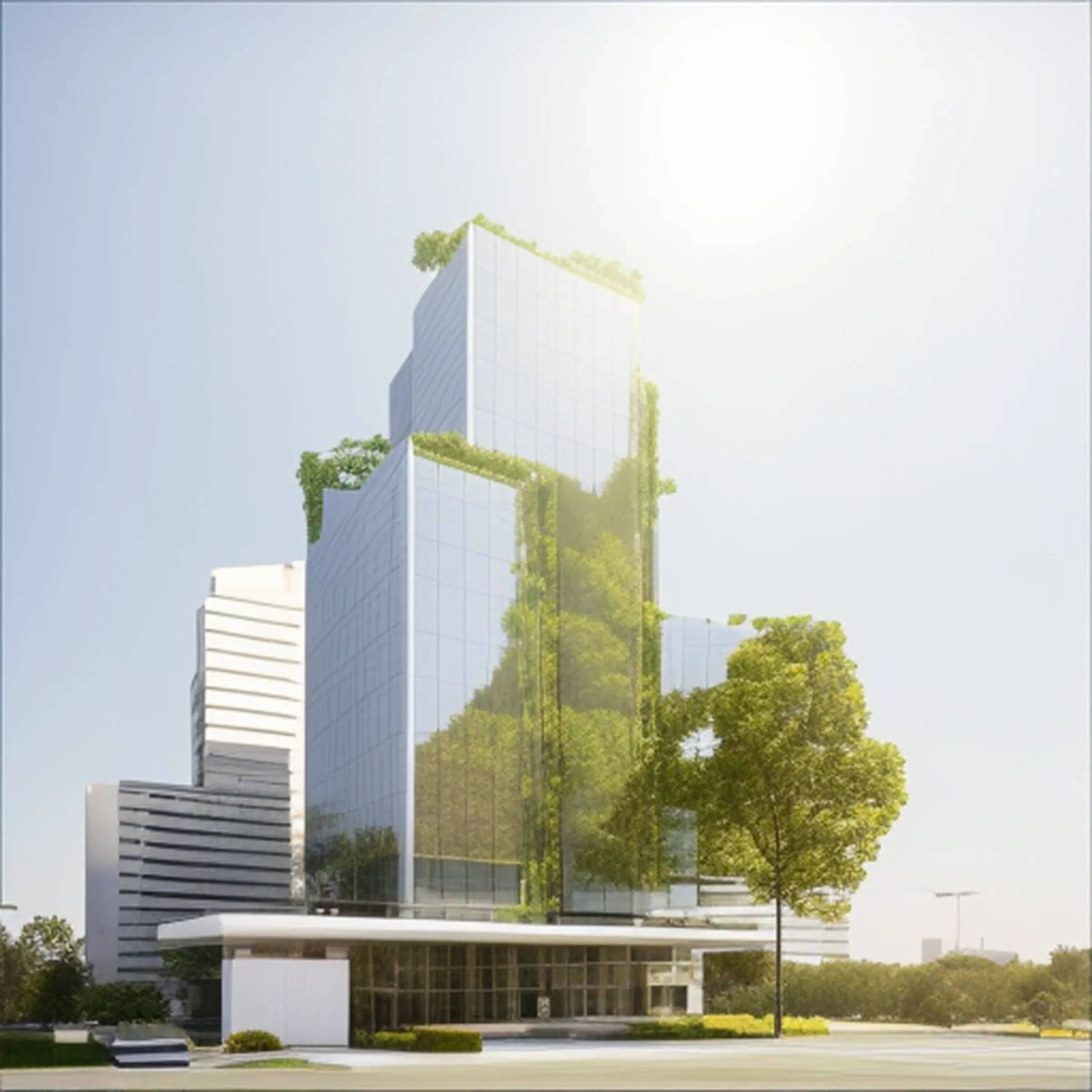
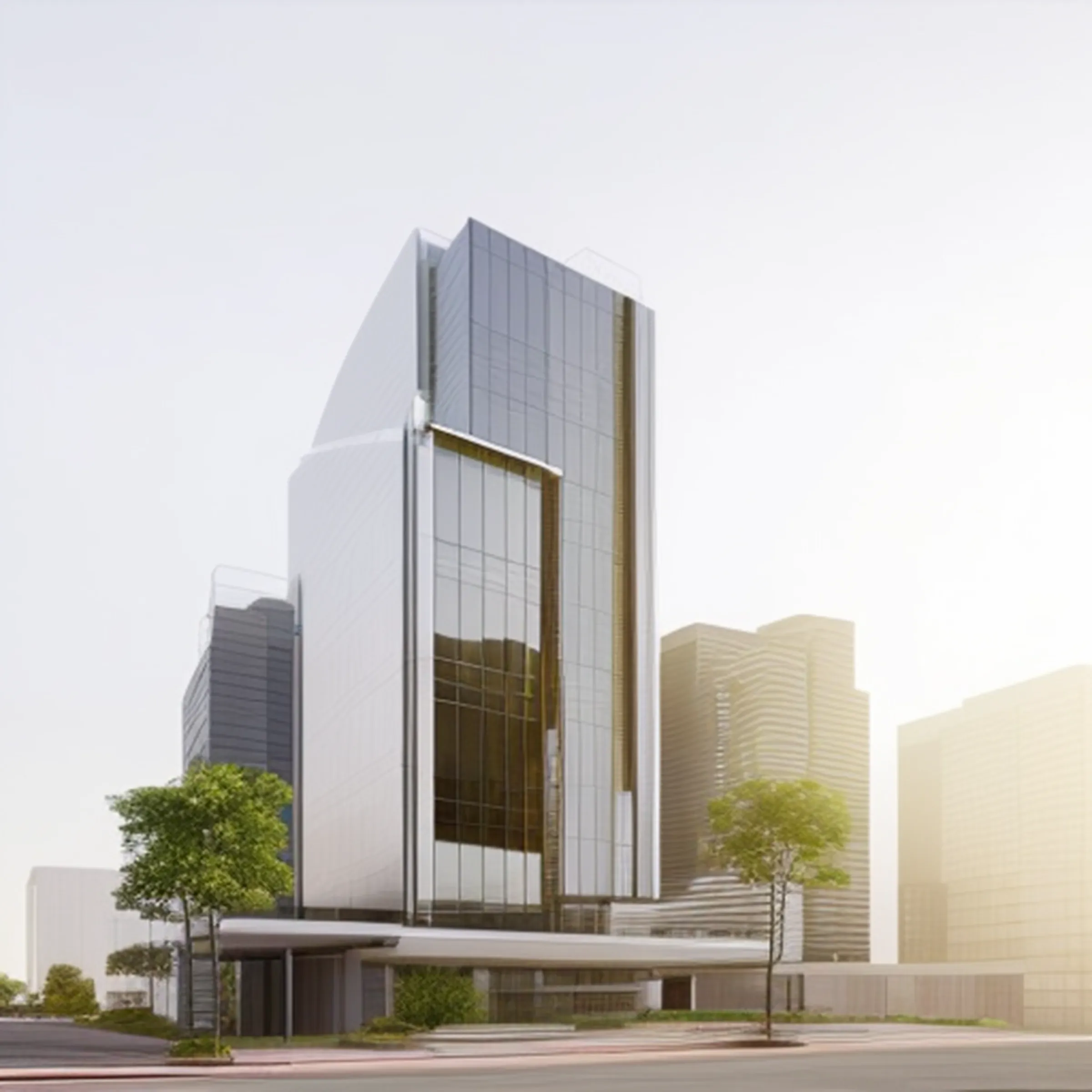
3d render of an office building, skyscraper, glass wall,black window frame, modern, minimalist, beautiful, golden hours, ambientocclusion, (in a city environment), (trees), (green grass), lawn, grass,beautiful nature, blue skies and clouds, vibrant colours, canon, vray-render,midjourney, HDR, UHD, 64K, highly detailed, studio lighting, rtx lighting,hyper-realistic, high definition, unreal engine, vray, octane render,raytracing, professional, intricate details, vivid colours, megascans
Is this what we will become in a few years?
Is it beautiful?
Or is it reprehensible?
Is it magnificent?
Is it modern?
Unphrased words and expressions that melt into a virtual image.
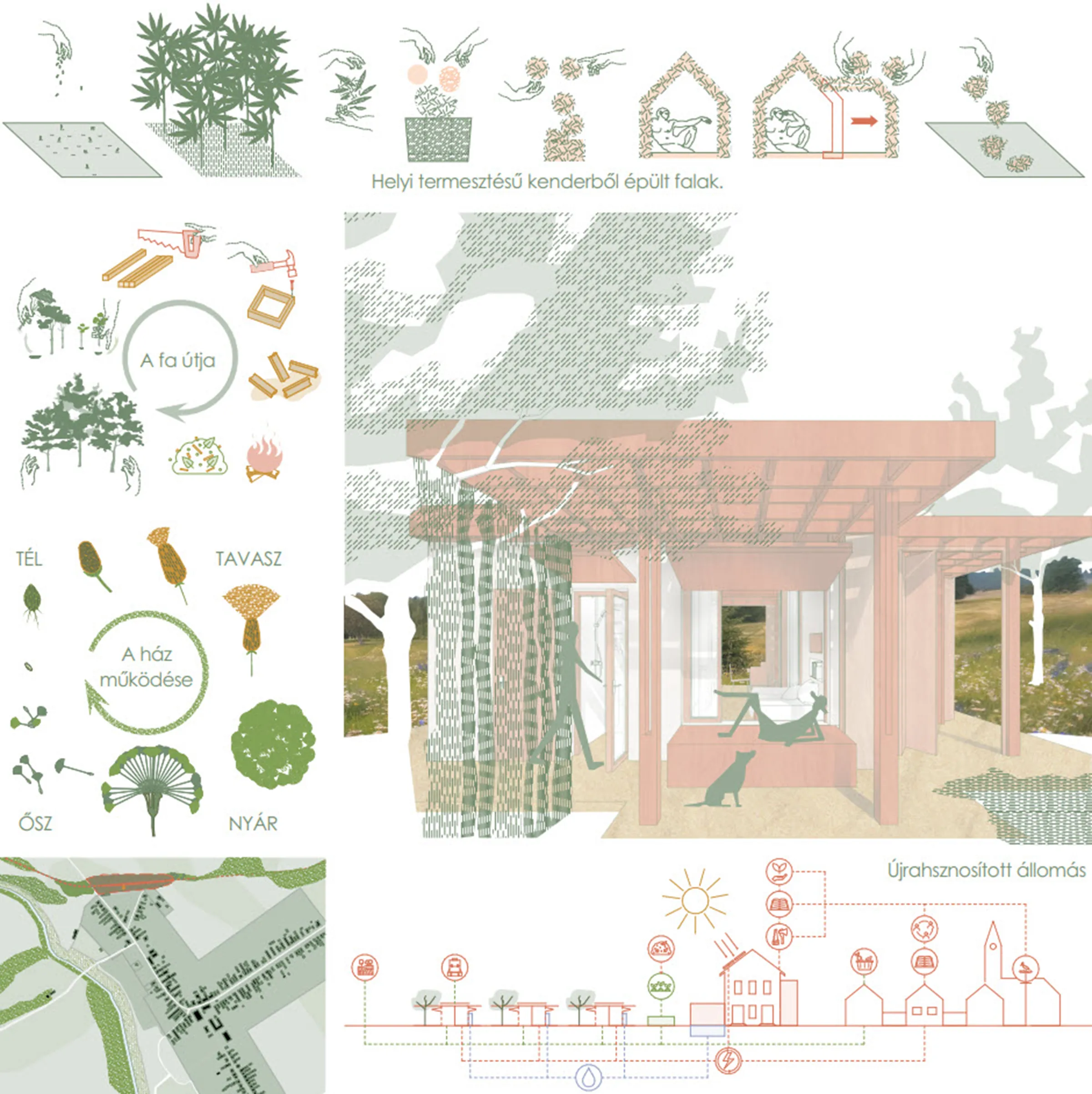
Since the dawn of time, humanity has been searching for shelter. This has evolved into increasingly permanent bases until we reached the limits of the Earth's capacity. New generations want to own less and reduce their environmental footprint. High prices and a turning away from rigid systems are further reinforcing this. Because of this, it is important to reflect on what living means in our day and age. Why do we want to stay in a given place? For how long? What are the possible forms of residence?
Meanwhile, cities are growing to staggering sizes while the countryside is becoming depopulated. In the gardens surrounding cities, agricultural work used to take place in the summer, while in winter, people would retreat. Today, they have reached their own limits of development, and those pushed out of the cities are looking for their new homes in these garden plots and other agricultural areas.
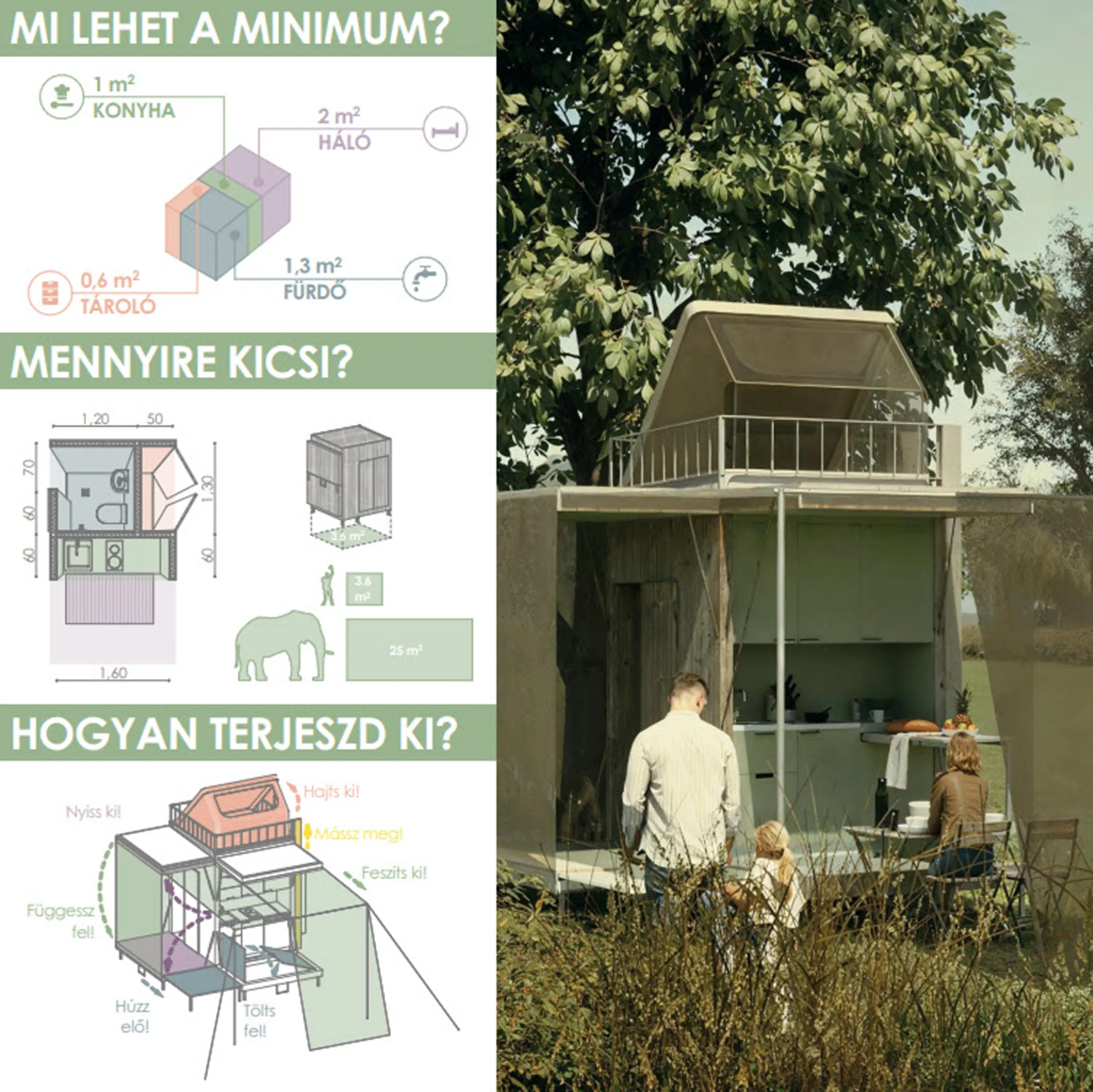
What should we do if we have no space and want to reduce our ecological impact? The solution is possible if we aim to satisfy only our most essential needs. What makes us feel truly at home? Having a clean bathroom where we can shower after a long day. Having a kitchen with enough counter space and storage to cook for ourselves. Having a small space to store our basic belongings. And last but not least, having a comfortable, safe place to sleep. The basic unit satisfies all of this in 3.6 m2. The kitchen front folds out, creating a covered-open kitchen space, the sides of which can be closed off with fold-out canvas structures, thus also creating a protected sleeping area.
When the possibilities for creating a home differ from what the basic box can provide, the system offers a solution with the help of a wide selection of various accessories. With these, much more intimate spaces can be created, storage capacity can be increased, the roof can be utilized, or even self-sustaining off-grid operation can be achieved. Every accessory is flexible and mobile, so even if all of them are used, the box can still be closed back to its original 3.6 m2size.
“What will I do [once I’ve moved in]? Tidy up, clean, and then maybe I’ll cook something.”
– Hajnalka
“I am deeply grateful to the Association, to you, to everyone, for granting us the opportunity to live as human beings, with dignity… to be able to come home, to cook for my family, to be able to wash properly—which is a basic thing for others—to keep things tidy, to build a future, to raise my grandchild, and to mold them into a good person.”
– Szilvia
“People living in housing poverty don’t want anything more than an average, boring, run-of-the-mill apartment. A home that is centrally located, free of mold, bright, easy to heat, and, above all, affordable. Creating fair housing—much as the architectural community might wish otherwise—is not just an architectural task. It is a sociological, economic, and, most importantly, a political and construction-related one.”
– Bence Bene, ULE Technical and Volunteer Coordinator
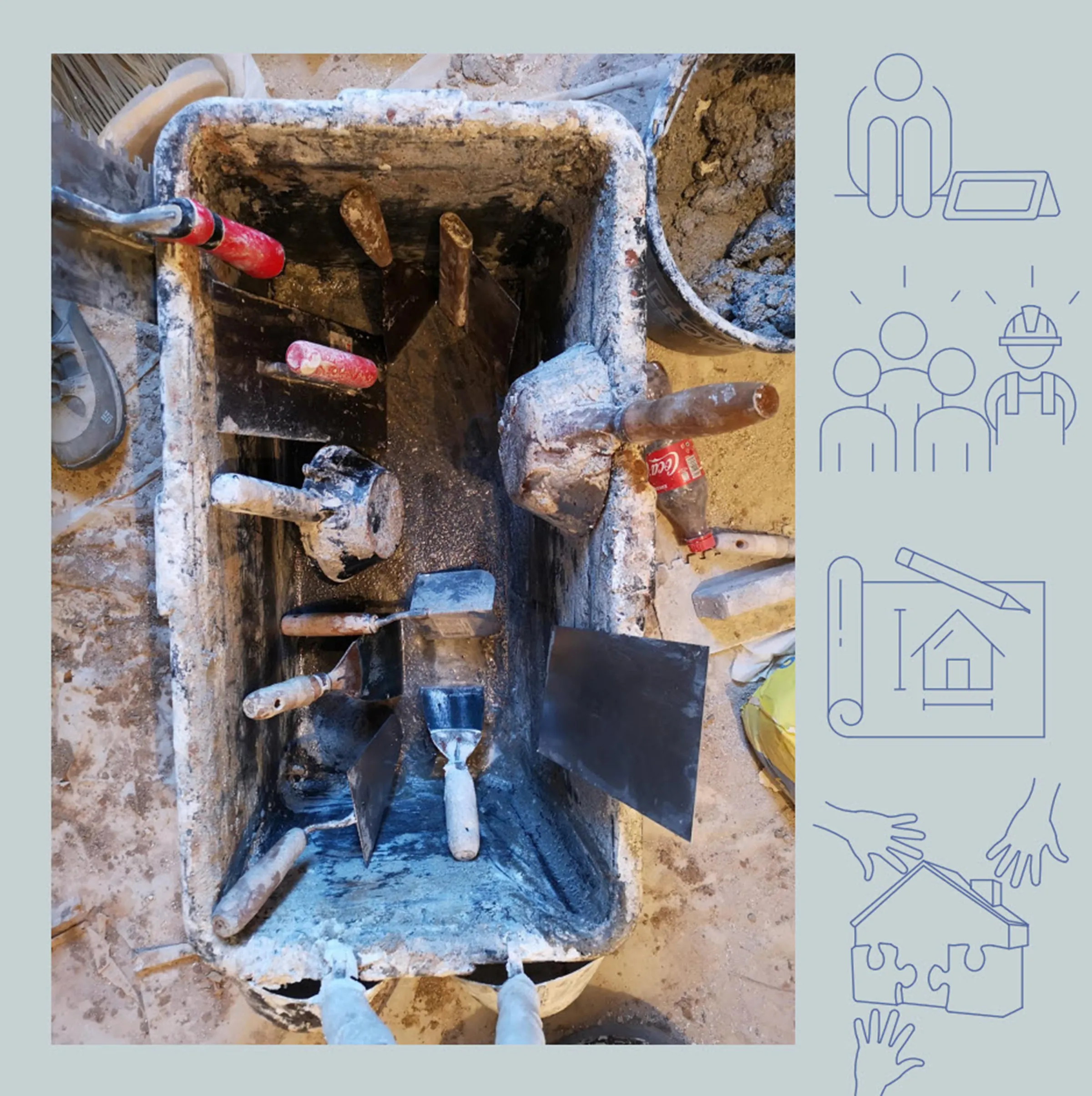
As architects, civilians, professionals, volunteers, supporters, or even self-taught plasterers—we can all be there.
The images and text are a joint project by the NOVU design studio and the From Streets to Homes Association.